

How to Avoid Deer Collisions and Handle an Accident
Shorter daylight and increased deer movement can create added risks for drivers, especially on roads near wooded areas, fields, and rural routes. Knowing when to watch for deer, how to react safely...
Read more

100 Days Left in the Year: Is Your Coverage Current?
With about 100 days remaining in the year, it is natural to pause and consider everything that has changed since January. Perhaps you have reached a personal goal, taken on a new responsibility, or...
Read more

Income and Life Insurance
Life insurance often begins as a thoughtful step toward protecting the people who matter most. But as life moves forward, the coverage that once felt like a good fit may no longer match your...
Read more

How a home inventory can help before hurricane season claims
Creating a detailed record of your belongings is one of the most effective ways to protect yourself before storms, theft, fire, or other unexpected losses. A well-organized inventory helps you...
Read more
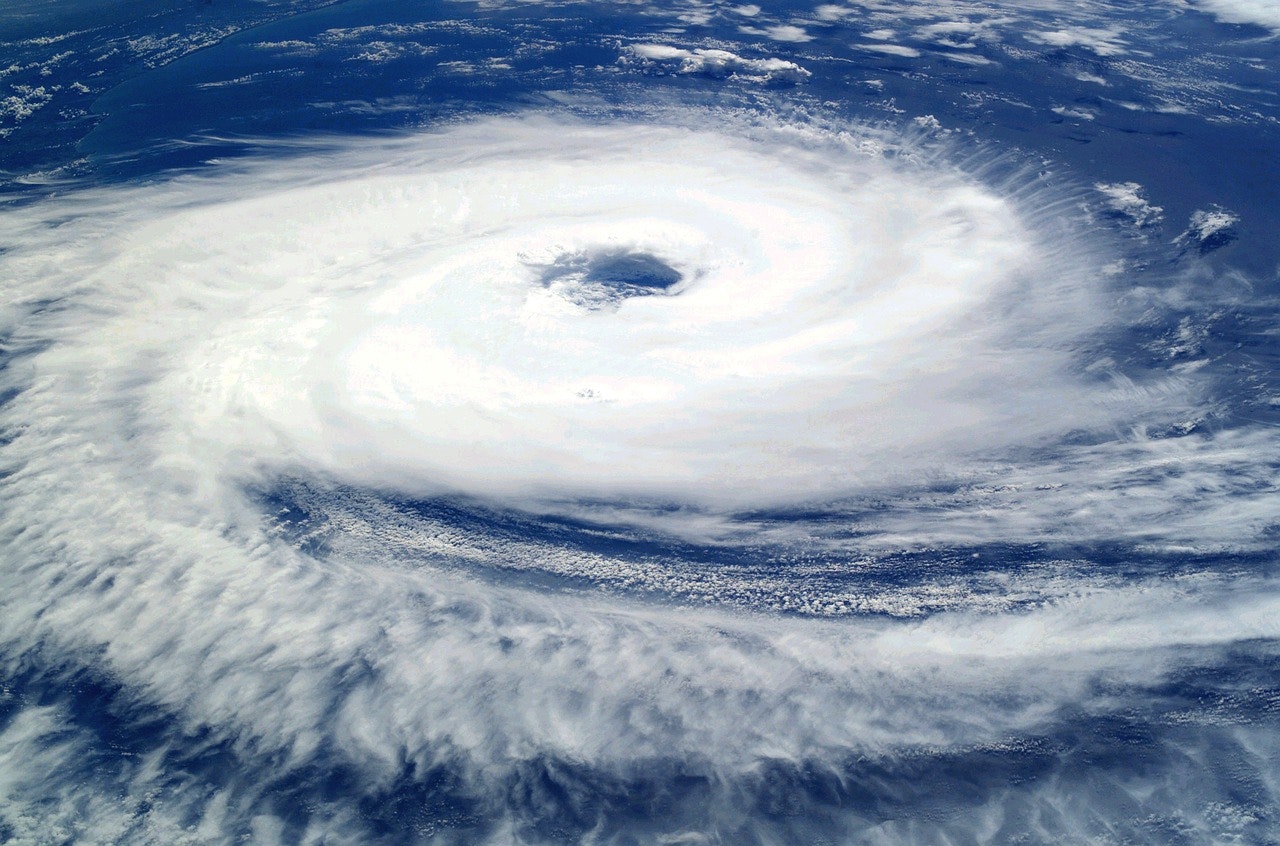
Hurricane Season: Be Prepared in Florida
Understanding the RisksIn Florida, hurricane season stretches from June 1 to November 30. Understanding the characteristics of hurricanes, including heavy rains, strong winds, and potential...
Read more

Determining Your Ideal Life Insurance Coverage
Life insurance is an essential pillar of a comprehensive financial plan. It offers a vital safety net for your loved ones, ensuring they remain financially stable even in your absence. However,...
Read more

Celebrate Life Insurance Day: 5 Essential Facts
National Life Insurance Day on May 2 provides a prime opportunity to reflect on the critical role life insurance plays in ensuring financial security. Whether you're considering your first policy...
Read more

Renters Insurance vs. Homeowners Insurance: What’s the Difference?
When it comes to protecting your home and belongings, choosing the right type of insurance is essential. Whether you own a house or rent an apartment, understanding the key differences between...
Read more
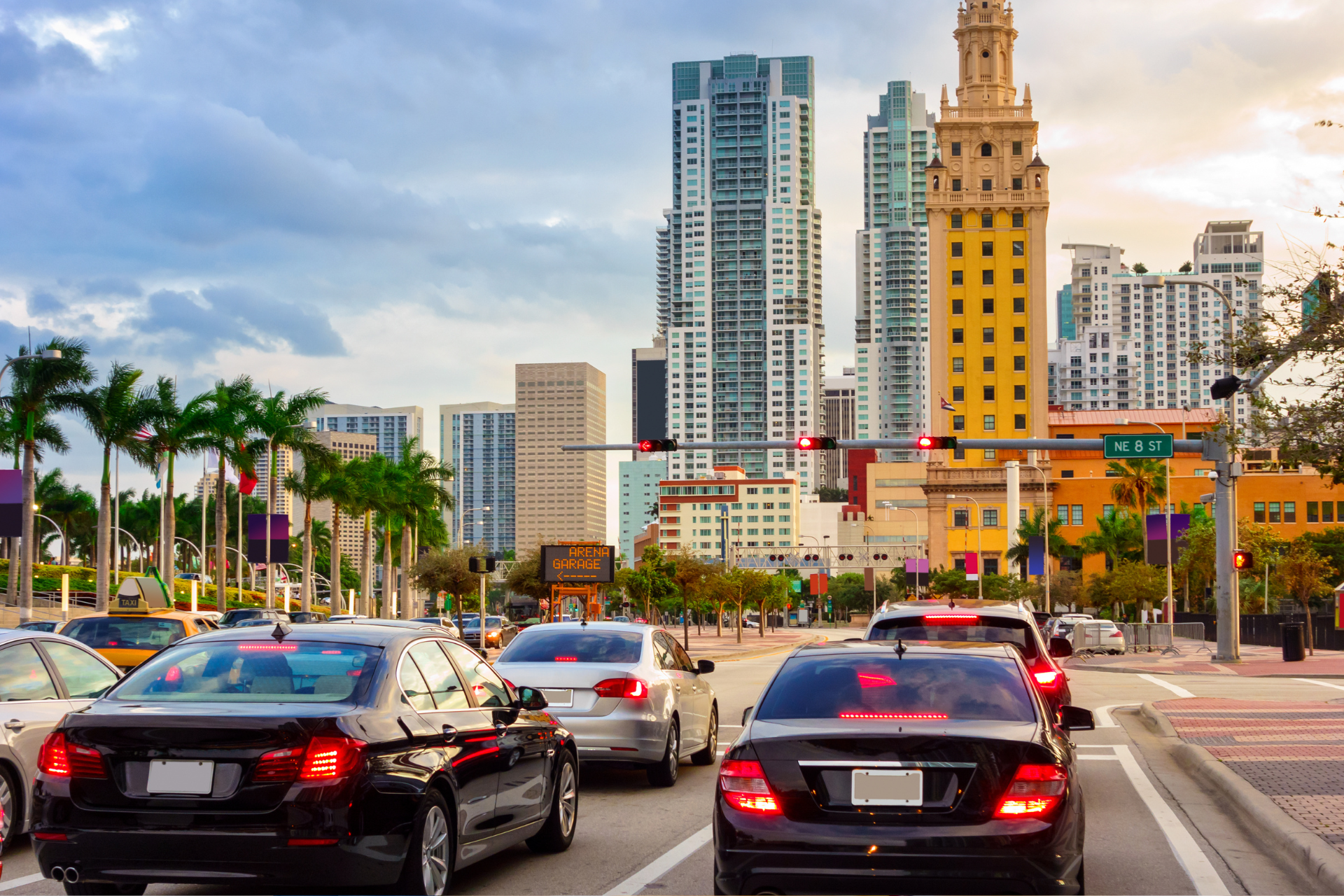
How to Lower Your Car Insurance Premiums: Expert Tips from Kim Osman Insurance
Read more
Renters Insurance in Melbourne, FL: What You Need to Know
If you’re renting a home or apartment in Melbourne, FL, protecting your belongings should be a top priority. Many renters assume their landlord’s insurance covers their personal property, but that...
Read more

Finding the Best Life Insurance in Melbourne: A Comprehensive Guide
When it comes to securing your family's future, selecting the right life insurance policy is one of the most important decisions you can make. Whether you're new to life insurance or looking to...
Read more

Starting Life Insurance Early: A Smart Financial Move
Starting Life Insurance Early: A Smart Financial Move Life insurance is often overlooked by younger individuals, many of whom believe that it is either too expensive or unnecessary at their age. In...
Read more
View more